Homebrew App Store Switch: What the Name Refers To
A storefront name that gets used loosely in search. It refers to community listings of hobbyist software, which is a different category from game packages.
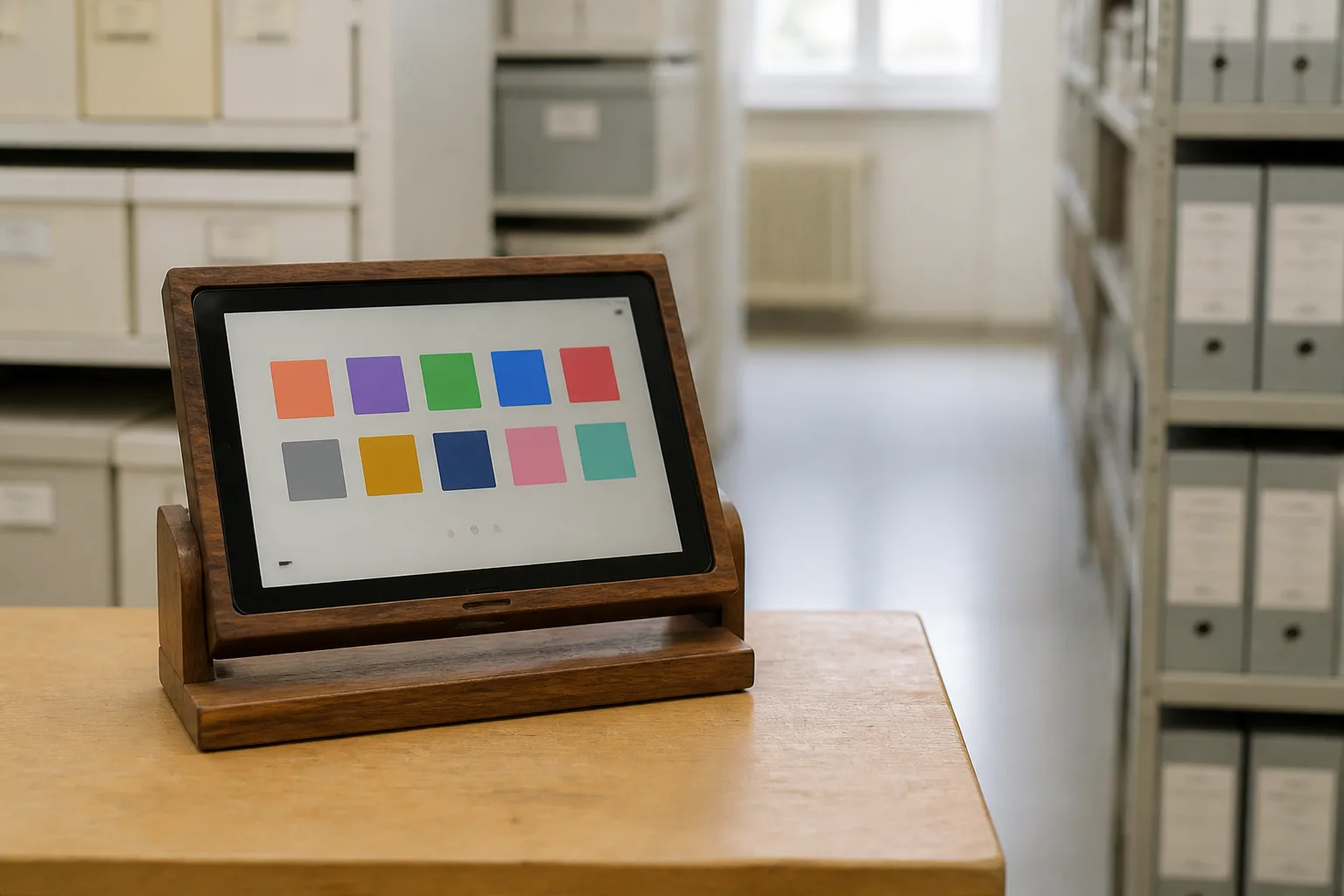
What the name points at
The Homebrew App Store Switch owners refer to is a community-run listing of hobbyist software, not a service operated by a hardware maker and not a shop in any commercial sense. Volunteers maintain a catalog of programs written by independent developers, most of them open source, and present it in a familiar browsable layout with categories, screenshots, and short descriptions. The interface borrows the vocabulary of a storefront because that layout is easy to read, not because money changes hands.
That is the whole of the definition. Everything else people attach to the phrase comes from the surrounding scene rather than from the name itself.
Homebrew is a different category from game packages
The distinction that matters most is one of origin. Homebrew is software an author wrote and chose to distribute; the author is the source, and the license is usually stated on the entry. A game package is a copy of commercial software, which is a copy of something somebody already owns rather than something anyone is publishing.
Because the two live in different worlds, they behave differently in every practical respect: different file types, different authors, different licensing, different expectations about redistribution. Conflating them is the single most common misunderstanding behind this search phrase, and it leads people to expect commercial titles in a place that never carried them.
The kinds of programs people mean
The catalog entries tend to fall into a few recognizable groups.
- Utilities — file managers, archive tools, and small system information viewers.
- Media — players for video and audio held on local storage.
- Save data tools — programs that read, back up, and restore save files held on the console.
- Original projects — small games, demos, and ports written by hobbyists and released under open licenses.
Installer programs are a related but separate group. DBI and Tinfoil are the two names that come up most often; both are utilities that accept package files and read their metadata. Naming what they are is as far as this page goes.
What this page will not cover
We do not publish setup instructions, and that is a deliberate line rather than an oversight. Running unsigned software means altering how a console boots and what it trusts, and the consequences belong to the person doing it: warranty, account standing, and in some cases a device that no longer starts. Anyone weighing that decision should get the details from the projects themselves, where the maintainers can answer questions, post corrections, and say plainly which hardware revisions their work applies to. A third-party summary of that material ages badly and takes the blame for none of it.
What we can do is keep the vocabulary honest. If a page promises commercial titles under this name, or presents system modification as a small routine step, treat both claims as reasons for caution. The background terminology sits in the homebrew overview.
Where this catalog sits
romsns.xyz is a listing of package and card-image files for lawful backup and research on hardware you own. We do not mirror hobbyist software, we do not host any community catalog, and we are not connected to the projects that run one. The overlap in search vocabulary is the only relationship between the two.
If a package format question brought you here rather than a terminology question, Read NSP versus XCI or Open the catalog. Anything that looks mislabeled is worth flagging: Report an issue and someone will check the entry.